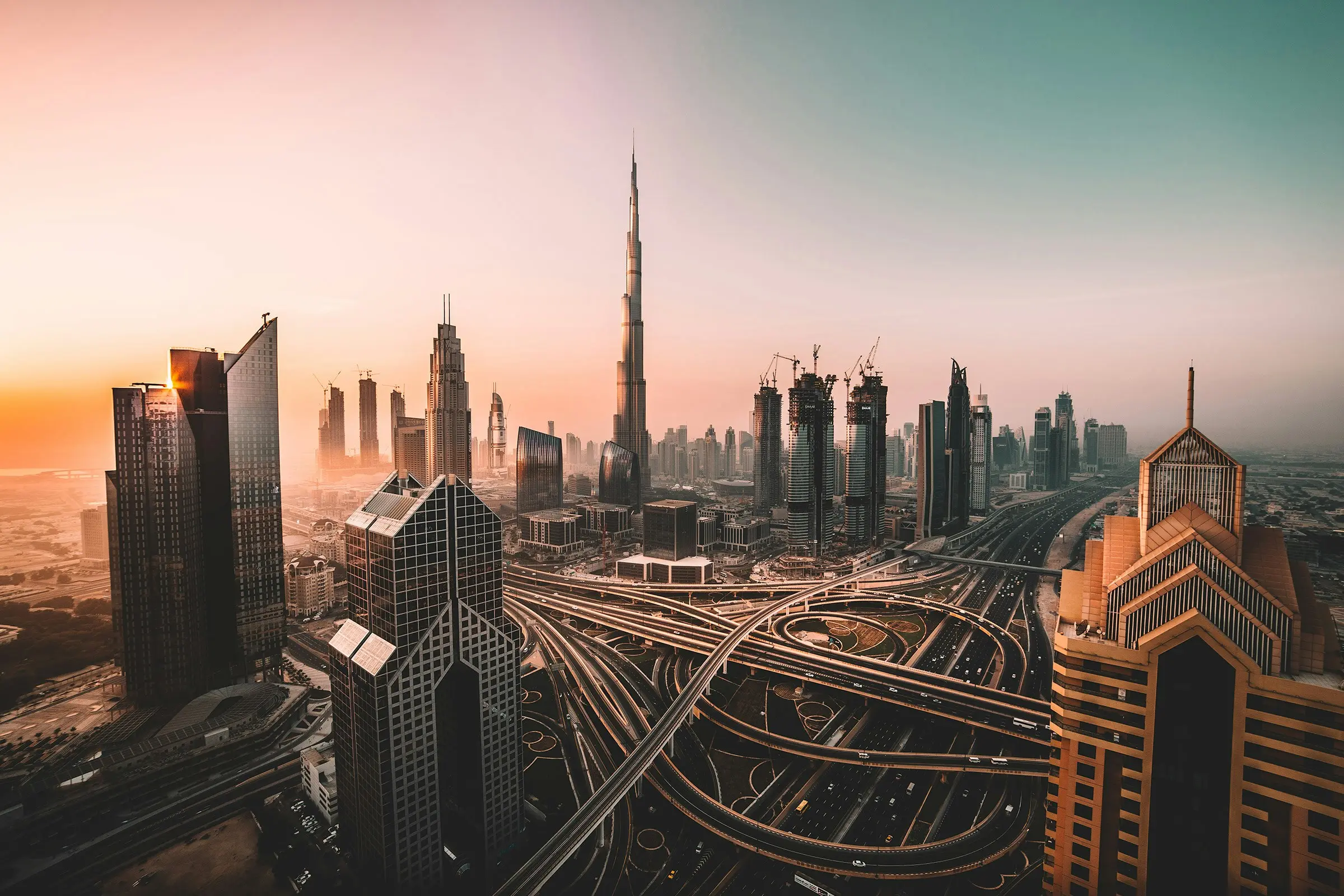
Dubai Property Sales Hit Record High in Q4 2024
Dubai real estate market continues its remarkable growth trajectory with unprecedented transaction volumes and record-breaking sales figures.

Key Takeaways
- Dubai recorded approximately 46,844 property transactions in Q4 2024, a major increase year-on-year.
- Total sales transaction values reached between AED 116.5 billion and AED 120 billion.
- Off-plan properties remained the primary driver of performance, representing over 30,000 deals in the quarter.
- Top performing areas included Dubai Hills Estate, Palm Jumeirah, and Dubai Marina, showing strong capital appreciation.
Dubai's Real Estate Market Breaks Records in Q4 2024
The Dubai real estate market achieved unprecedented success in the final quarter of 2024 (Q4 2024), with transaction volumes and sales values reaching all-time highs. Data compiled by the Dubai Land Department (DLD) confirms that the emirate's real estate sector closed the year on a highly bullish note, cementing its position as one of the world's most active and lucrative property markets.
During Q4 2024, Dubai recorded total sales transaction values of approximately AED 116.5 billion to AED 120 billion. This represents a staggering 30% to 31% increase year-on-year compared to Q4 2023, driven by sustained interest from foreign investors and a highly robust off-plan residential sector.

Key Statistical Highlights
- Total Transactions: 46,844 real estate deals closed during the quarter, representing an increase of over 50% year-on-year.
- Sales Value: AED 116.5 billion to AED 120 billion in total transactional value.
- Off-Plan Dominance: Off-plan properties represented over 30,000 transactions, accounting for more than half of the total market value and volume.
- Investor Inflows: Record numbers of new, international buyers entered the market, particularly from Europe, the UK, and South Asia.
These figures demonstrate that the market did not just sustain its momentum from the previous quarters of 2024 — it accelerated. The high volume of transactions indicates deep market absorption and a healthy balance between supply and demand.
Key Factors Driving Market Performance
Several macroeconomic and regional factors contributed to Dubai's record-breaking performance in Q4 2024:
1. Expanded Golden Visa Programs
The UAE's Golden Visa initiative remains a powerful catalyst for the real estate sector. By lowering the entry requirements and offering 10-year residency to property buyers with a minimum investment of AED 2 million, the government has encouraged long-term capital commitment from international buyers. The visa program has successfully transformed speculative investors into permanent residents, stabilizing rental demand.
2. Tax-Free Rental Yields
Dubai's tax-free status continues to appeal to global investors. Unlike major European and North American cities, where property and rental income taxes compress net returns, Dubai offers tax-free rental income, enabling investors to secure high net yields. Gross rental yields in mid-market areas remained robust, averaging between 6% and 8%.
3. Safe Haven Asset Status
Amid rising geopolitical tensions in Europe and the Middle East, Dubai has strengthened its reputation as a safe haven. International buyers choose Dubai for its political stability, modern infrastructure, high safety index, and stable currency (pegged to the US Dollar). This has led to substantial capital flight into physical real estate assets within prime districts.
4. Expansion of Master Communities
Major master developers continued to launch large-scale projects in expanding suburban corridors. Communities like Dubai Hills Estate, Dubai South, and Expo City have attracted significant investment, drawing buyers away from saturated central districts and offering modern layouts with favorable entry prices.
Top Performing Areas in Q4 2024
The growth in transaction value was distributed across both established prime areas and newer, suburban master communities:
| Area | Transaction Value (AED) | YoY Growth (Value) |
|---|---|---|
| Dubai Marina | AED 15.2 Billion | +32% |
| Downtown Dubai | AED 12.8 Billion | +28% |
| Palm Jumeirah | AED 11.5 Billion | +35% |
| Business Bay | AED 9.7 Billion | +24% |
| Dubai Hills Estate | AED 8.3 Billion | +41% |
Dubai Hills Estate led the growth chart with a 41% increase in transaction value, driven by strong demand for luxury townhouses and modern apartment complexes. Palm Jumeirah followed closely at 35%, reflecting the continued interest of ultra-high-net-worth individuals in prime beachfront properties.

Off-Plan vs. Ready Property Split
The off-plan sector was the star performer of Q4 2024, accounting for more than 30,000 deals. This preference is driven by developer incentives, including:
- Flexible Payment Terms: Post-handover payment plans allow buyers to spread payments over several years, lowering the upfront cash requirement.
- Pre-Launch Pricing: Investors secure units at launch prices, enjoying capital appreciation during the construction phase.
- New Inventory: Off-plan projects offer modern, open-plan layouts with state-of-the-art amenities that appeal to the current generation of renters.
However, ready properties remained popular among end-users and investors seeking immediate rental income. Ready villas in suburban communities experienced strong demand, with low vacancy rates driving rent increases.
The Luxury Residential Boom in Q4 2024
Q4 2024 marked a golden period for ultra-luxury residential properties in Dubai, defined as properties priced above AED 36.7 million ($10 million). Palm Jumeirah and Jumeirah Bay Island were the primary centers of this luxury activity. Ultra-high-net-worth individuals (UHNWIs) from Russia, Europe, and the Indian subcontinent competed for premium beachside villas and penthouses. The limited supply of beachfront plots on the Palm meant that completed villas often saw bidding wars, pushing capital growth in the luxury segment up by 35% year-on-year. Furthermore, developers responded to this demand by launching branded residences (collaborating with luxury fashion and hospitality brands), which command a significant premium over standard residential units.
Commercial Real Estate and Grade A Office Space
The commercial real estate sector in Dubai also experienced a massive uptick in Q4 2024. As global corporations relocated their regional headquarters to Dubai or expanded their operations, the demand for Grade A office space in central districts like Downtown Dubai, Business Bay, and JLT reached record levels. Occupancy rates for premium commercial buildings exceeded 90%, causing office lease prices to surge. Business Bay, in particular, saw a 24% year-on-year increase in commercial transaction values, driven by business setup growth and corporate expansions. The DMCC free zone in JLT similarly reported a high number of new member companies registered, fueling commercial property acquisitions.
The Role of RERA Regulations and Tenant Rights
With rising property valuations and rental rates, the Real Estate Regulatory Agency (RERA) played a critical role in maintaining market stability during Q4 2024. The RERA Rental Calculator was updated to reflect current market rates more accurately, protecting existing tenants from arbitrary rental hikes while allowing landlords fair adjustments. Landlords were required to provide 12-month eviction notices strictly through notary public channels, and tenant-landlord disputes were managed efficiently through the Rental Dispute Center (RDC). This transparent legal framework has bolstered investor confidence, ensuring that property management remains professional and secure for both international landlords and local residents.
Financing, Mortgages, and Cash Transactions
Interest rate dynamics in late 2024 had a notable influence on market composition. Despite relatively high global interest rates, cash buyers continued to dominate the premium and ultra-luxury segments, accounting for approximately 70% of total luxury sales. However, in the mid-market sectors (such as JVC, Arjan, and Al Furjan), mortgage-backed purchases remained crucial for end-users and first-time buyers. Local banks offered competitive fixed-rate mortgage products to attract buyers, helping sustain transaction volumes in the sub-AED 2 million band. Investors monitored central bank interest rate policies closely, preparing for potential rate cuts in 2025 which would lower financing costs and potentially trigger another wave of buying activity.
The Outlook for the Supply Pipeline
With record sales comes the responsibility of delivery. The Q4 2024 data highlights the transition into the next development cycle. According to CBRE, Dubai is on track to deliver approximately 42,000 units in 2026, with major developers launching projects in emerging corridors like Dubai South and Arjan. This supply pipeline is expected to stabilize rental growth in suburban areas while prime communities will remain supply-constrained, continuing to experience price appreciation.
For investors entering the market, selecting projects with strong developer track records and high-quality location parameters remains the key to maintaining premium yields and resale liquidity.
What This Means for Real Estate Investors
If you are evaluating the Dubai real estate market, this record-breaking data highlights several practical considerations:
- High Liquidity: The high transaction volume demonstrates a liquid secondary market, allowing investors to exit their positions with ease if needed.
- Capital Growth Potential: Established prime areas (such as Palm Jumeirah and Dubai Marina) continue to appreciate, rewarding early buyers with strong capital gains.
- Yield Optimization: To maximize rental returns, investors should look at high-demand mid-market sectors (such as JVC and Arjan) where gross yields are higher compared to premium areas.
- Risk Management: When buying off-plan, always verify the developer's escrow account registrations and construction history to ensure project security.
Frequently Asked Questions
How many property transactions did Dubai record in Q4 2024?
Dubai recorded over 46,800 property transactions worth between AED 116.5 billion and AED 120 billion in Q4 2024, showing strong year-on-year growth compared to Q4 2023.
What percentage of Dubai transactions are off-plan properties?
Off-plan properties represented more than half of the total transaction value and volume in Q4 2024, with over 30,000 off-plan deals closed.
Which Dubai areas had the highest growth in Q4 2024?
Dubai Hills Estate led with approximately 41% transaction growth, followed by Palm Jumeirah at 35% and Dubai Marina at 32% year-on-year.
What drove the real estate growth in Dubai during Q4 2024?
Key drivers included expanded Golden Visa regulations, tax-free rental income, global capital flight looking for safe havens, and the expansion of master-planned communities like Dubai South and Dubai Hills Estate.